Turnkey development and implementation of APCS (Automated Process Control Systems) includes the following stages: inspection of the automation object and development of an economically attractive concept for implementing control systems, determination of the automation level for each functional unit within the overall automated complex; selection of the type and configuration of the software and hardware system that best meets the requirements of the assigned task; development of the technical specification for the APCS; development of approved initial data for design; development of algorithmic and mathematical support; development of application software; development of operation documentation, including instructions for process operators and other APCS maintenance personnel; development of design and cost estimate documentation; conducting full-scale (test-bench) trials; supply of the software and hardware complex together with technological equipment from a single manufacturer; construction and installation works (with subcontractors involved), technical supervision of project implementation; commissioning works, including tuning and adjustment of the application software; conducting acceptance tests and putting the APCS into industrial operation; organization and training of operation and maintenance personnel; warranty service and post-warranty support of the APCS.
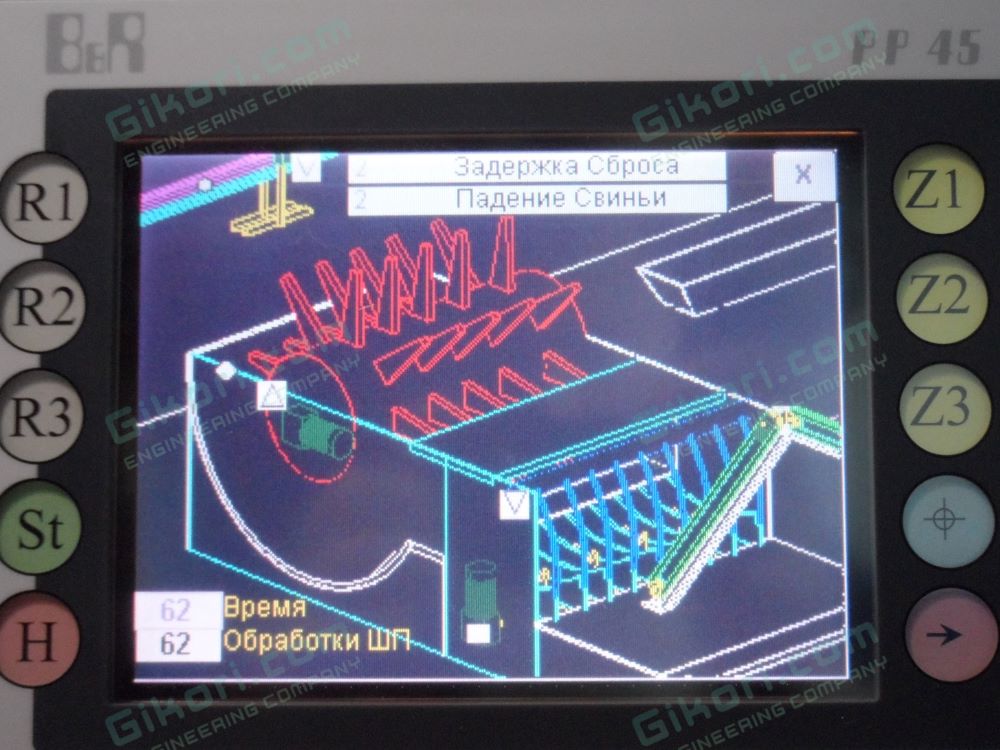
Development of a comprehensive automation solution is the creation of a unified, integrated control system that combines software and hardware to automate all key business and production processes of an enterprise. Such a system provides centralized management, resource optimization, increased productivity and product quality, as well as reduced costs and workforce requirements.
Development of a comprehensive automation solution
Centralized control of processes across the entire production facility
Manufacture and installation of control panels, including power and control sections
Staff training and subsequent system maintenance