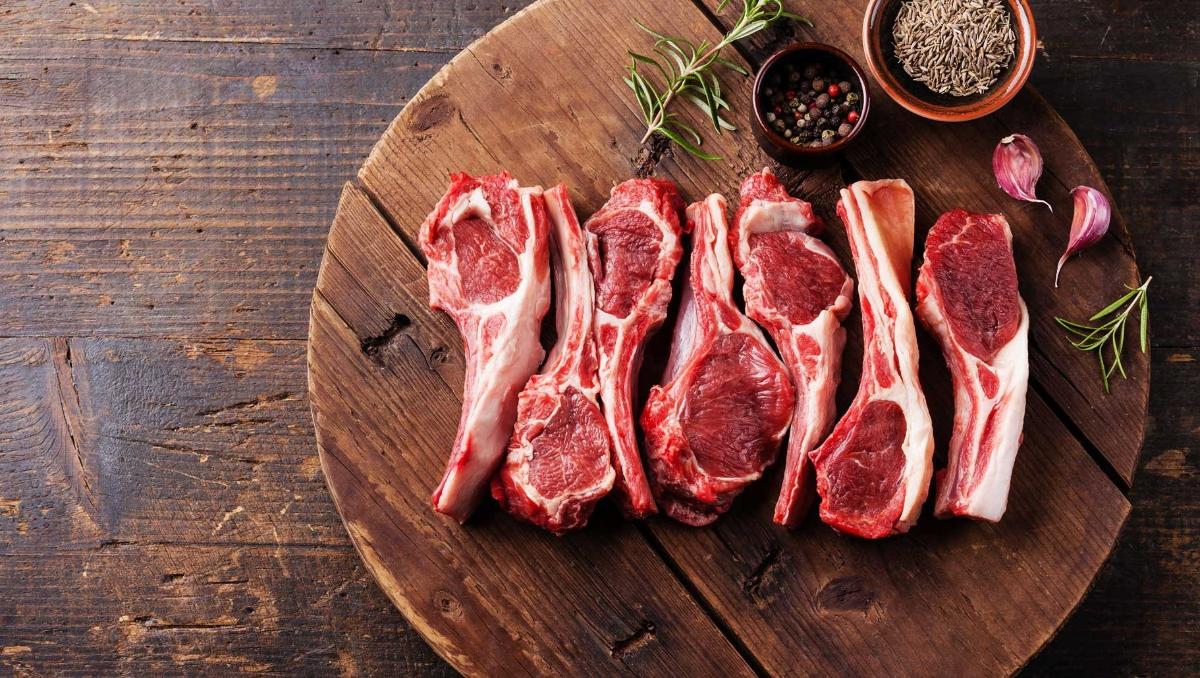
The Ministry of Agriculture expects that by the end of the year, 20–30 thousand tons of meat and meat products could be exported to China. Kazakhstan is currently awaiting a delegation that will conduct a food safety inspection of the country. At the same time, enterprises that submitted applications for inclusion in the supplier registry will undergo verification. Importantly, any company wishing to become an exporter to China can independently apply through the website of the National Chamber of Entrepreneurs “Atameken” and send documents directly to China’s state inspection authority. “We decided that the entire process must be transparent and open, so that decisions do not depend on the will of specific officials. The enterprises themselves, along with the National Chamber of Entrepreneurs, should help accelerate the submission of applications,” Deputy Minister of Agriculture Gulmira Issayeva explained to abctv.kz. According to her, Kazakhstan currently has 10–15 companies that meet China’s requirements. Everything depends on how quickly they can complete and submit their applications. Other market participants will receive training and support. Gulmira Issayeva emphasized that special attention must be paid to product appearance, noting that Kazakhstani producers often overlook this aspect, while Chinese consumers are extremely particular about packaging. These issues are being explained to farmers, and many have already begun developing brand books. “They understand that the Chinese market will open very soon. These are the first signals. We expect the first shipments to begin in November, and we are preparing for this. Considering that the slaughter season is starting and large volumes of meat are entering the market, we can talk about 20–30 thousand tons of products from the beginning of shipments (November — Ed.) until the end of the year,” Issayeva said. Meanwhile, some enterprises — particularly in East Kazakhstan Region — complain about the lack of the promised financing support. As a result, they fear they may not meet the planned export timelines, including exports to China. One such company is Eurasia AgroHolding, which is supposed to build a meat-processing plant in Ayagoz. The facility was expected to be commissioned in the summer of 2017. The project is valued at 9.088 billion tenge, of which 2 billion is the company’s own funds, and over 7 billion is borrowed capital. Initially, it was planned that the loan agreement would be signed with the Development Bank of Kazakhstan (DBK). However, due to the strict terms at DBK, preference was given to KazAgroFinance, where the interest rate for financing agribusiness entities is 11% per year. But the enterprise is still awaiting the credit line. “They promise to allocate funds in November, although this has already been dragging on for a year. We assume the process may be further delayed, since we hear a lot of information suggesting that financing through KazAgroFinance may be transferred to the Agrarian Credit Corporation,” said Eurasia AgroHolding Executive Director Sergazy Isembayev.
Development of a comprehensive automation solution is the creation of a unified, integrated control system that combines software and hardware to automate all key business and production processes of an enterprise. Such a system provides centralized management, resource optimization, increased productivity and product quality, as well as reduced costs and workforce requirements.
Development of a comprehensive automation solution
Centralized control of processes across the entire production facility
Manufacture and installation of control panels, including power and control sections
Staff training and subsequent system maintenance